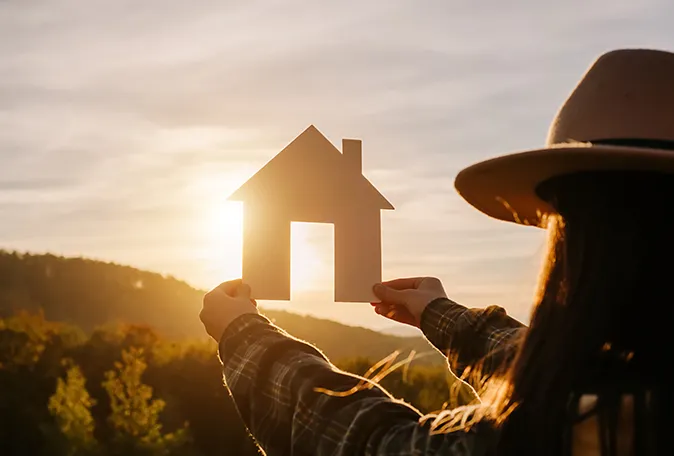


Multifamily units significantly reduce per-person energy usage, contributing to lower utility bills and a smaller carbon footprint.
Multifamily buildings, often viewed as the cornerstone of smart, sustainable urban living, provide an unparalleled combination of convenience, efficiency, and community. The shared nature of these structures often leads to a significantly reduced per-capita energy usage, which is instrumental in mitigating climate change by shrinking our collective carbon footprint. By opting for a multifamily home, you’re not just choosing a cost-effective housing option, you’re also choosing a greener, more eco-friendly lifestyle. Multifamily buildings encourage efficient land use, reduce transportation emissions through better access to public transit, and can even foster a sense of community amongst residents. By choosing this path, you’re endorsing a housing model that can meet the needs of modern societies—affordability, sustainability, and social connectivity—while ensuring that our planet remains a hospitable home for generations to come.
Pros
- Energy Efficiency: Multifamily units inherently promote energy efficiency due to shared walls and common spaces, leading to less energy consumption per capita compared to single-family homes. This not only reduces greenhouse gas emissions but also trims utility bills.
- Affordability and Accessibility: These properties are often more affordable and located in areas with convenient access to public amenities and transportation, reducing the need for private vehicles, and fostering healthier, walkable communities.
- Community Connectivity: Living in proximity to others promotes social interaction and a sense of community, a factor often lacking in suburban, single-family home environments.
Cons
- Privacy: Close quarters living can sometimes impinge on privacy compared to detached homes.
- Space Limitations: Multifamily units typically offer less square footage and outdoor space than their single-family counterparts.
- Shared Responsibilities : While a boon for some, the shared maintenance, governance, and potential for higher HOA fees can be a drawback for others who prefer full control over their property.
Tips for Renters
Looking for a Rental:
1Evaluate Energy Efficiency
Look for units with energy-efficient appliances, good insulation, and modern heating and cooling systems. These features will lower your utility costs and environmental impact.
2Check Community Amenities
Consider amenities like green spaces, recycling programs, and access to public transportation. These enhance your quality of life and promote sustainability.
3Understand the Lease
Review the lease carefully, especially clauses regarding utilities, maintenance, and rent increases. Knowing your obligations can prevent unexpected costs.

Tips for Designers & Builders

For the Design Team:
1Sustainable Design Principles
Emphasize energy efficiency and sustainability. Use passive solar design, specify energy-efficient appliances and HVAC systems, and incorporate renewable energy options like solar panels. Optimize natural lighting and ventilation to enhance the occupants’ comfort and health, and decrease energy use.
2Space Optimization
Design multifamily units with optimal use of space. Balancing private living areas with communal spaces enhances liveability. Providing storage solutions within the design can alleviate some of the limitations of multifamily living.
3Consider Local Amenities and Connectivity
Design with the community in mind. Prioritize access to public transit, shared green spaces, and walking or biking access to local amenities. This promotes a healthier, sustainable lifestyle for residents.

For the Builder:
1Quality Materials and Construction
Use durable, low-maintenance, and preferably locally-sourced materials to increase the building’s longevity, reduce maintenance costs, and minimize the carbon footprint.
2Implement Green Building Standards
Adopt established green building standards like LEED or Passive House. These certifications can increase the building’s market value and assure residents of the building’s sustainability credentials.
3Collaboration with Designers
Collaborate closely with the design team to ensure the sustainability vision is carried through construction. This includes a deep understanding of the design principles, frequent communication, and addressing issues promptly to minimize rework and waste.
1Sustainable Design Principles
Emphasize energy efficiency and sustainability. Use passive solar design, specify energy-efficient appliances and HVAC systems, and incorporate renewable energy options like solar panels. Optimize natural lighting and ventilation to enhance the occupants’ comfort and health, and decrease energy use.
1Quality Materials and Construction
Use durable, low-maintenance, and preferably locally-sourced materials to increase the building’s longevity, reduce maintenance costs, and minimize the carbon footprint.
2Space Optimization
Design multifamily units with optimal use of space. Balancing private living areas with communal spaces enhances liveability. Providing storage solutions within the design can alleviate some of the limitations of multifamily living.
2Implement Green Building Standards
Adopt established green building standards like LEED or Passive House. These certifications can increase the building’s market value and assure residents of the building’s sustainability credentials.
3Consider Local Amenities and Connectivity
Design with the community in mind. Prioritize access to public transit, shared green spaces, and walking or biking access to local amenities. This promotes a healthier, sustainable lifestyle for residents.
3Collaboration with Designers
Collaborate closely with the design team to ensure the sustainability vision is carried through construction. This includes a deep understanding of the design principles, frequent communication, and addressing issues promptly to minimize rework and waste.
Resources
Books:
“Living Together: Multi-Family Housing Today” by Michael J. Crosbie.
“Multifamily Housing: Creating a Community” by Avi Friedman .
Websites:
US Department of Housing and Urban Development (HUD)- Provides an overview of government programs related to multifamily housing. (https://www.hud.gov/program_offices/housing/mfh)